
Below you will find some information about ‘What is prayer?’ But if our team can be praying for you, we would love to join our faith with yours! You can submit a prayer request so our team can be praying with you.
Why do people pray?
People pray for many different reasons. Some pray for answers to specific questions or problems, while others pray for guidance and direction in their lives. Others may pray to find meaning and purpose, or to express their emotions and feelings.
“…research has found that prayer can release cortisol and other hormones in the body, which can reduce stress and anxiety.”
According to Jesus, one of the primary reasons we should pray is to maintain our relationship with God. Prayer is not just verbal communication, but can be any form of communication that turns our hearts towards God, including acts of compassion and kindness, or simply being present with him. It is like a married couple who enhances their relationship by spending time together.

In addition to its spiritual benefits, prayer has also been shown to have physical and mental health benefits. Scientific research has found that prayer can release cortisol and other hormones in the body, which can reduce stress and anxiety. Praying can also bring a sense of peace and calm, and can be a source of support and comfort during difficult times.
Overall, praying is an important part of many people’s spiritual and personal lives, and can serve as a means of connecting with God and seeking his guidance and support.
How do people pray?
People pray in many different ways, and the specific method of prayer can vary depending on an individual’s cultural and religious background. Some people pray through silent contemplation, where they sit quietly and reflect on their thoughts and feelings.
Others may pray aloud, either individually or as part of a group, reciting specific words or phrases. Some people pray through physical gestures, such as bowing, kneeling, or making the sign of the cross. Others may pray through song or chanting, using music to express their devotion. Still, others may pray through acts of service, offering their time and energy to help others as a way of connecting with their faith. Ultimately, the way that a person prays is a deeply personal and individual choice, and there is no one “right” way to pray.
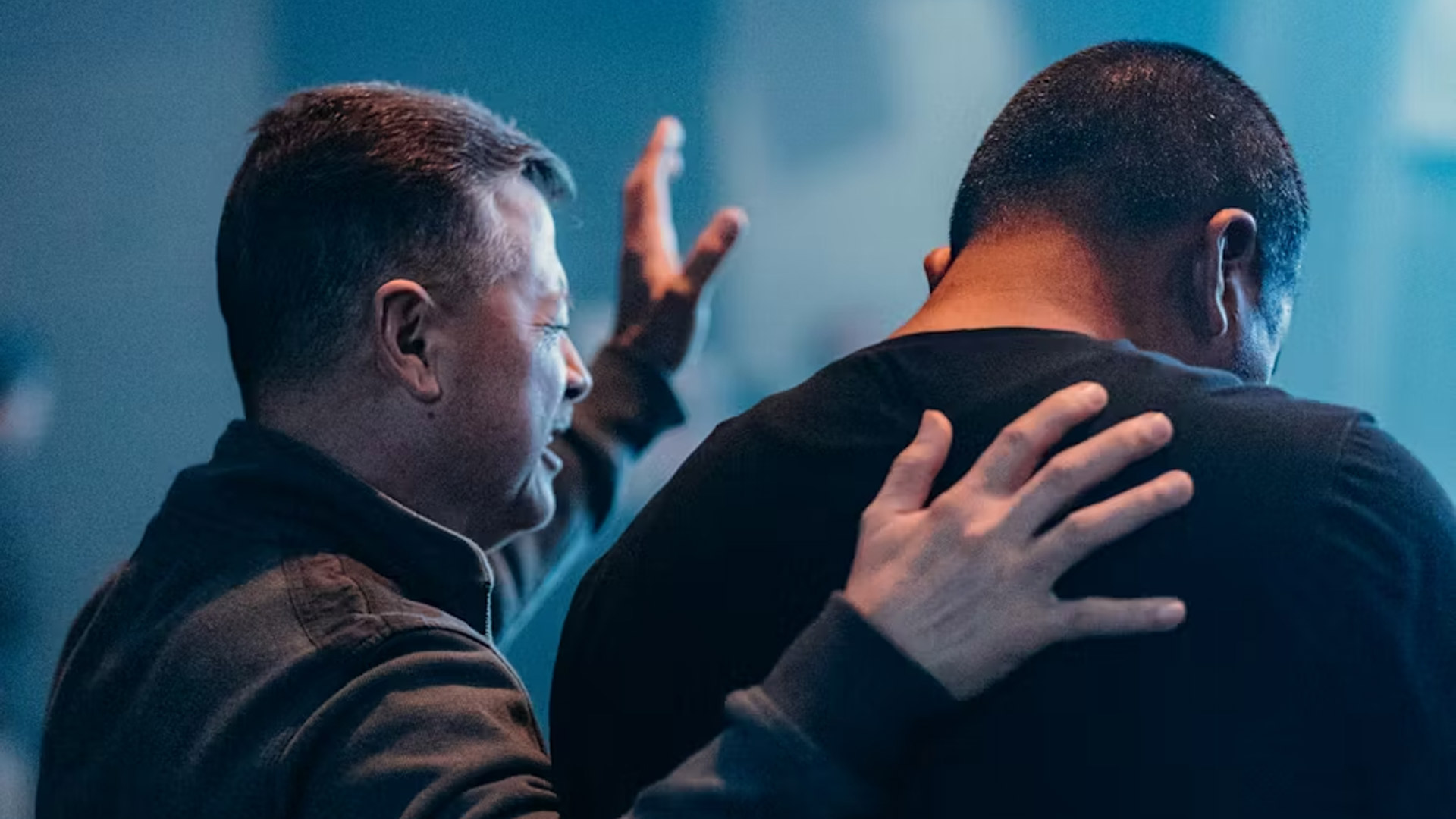
Do I have to close my eyes when I pray?
Prayer is a way for people to communicate with God and seek his guidance and support. There are many different ways to pray, and the Bible describes people praying in different positions, such as standing, sitting, kneeling, or with arms raised. However, there are no specific verses in the Bible that require people to close their eyes when praying.
Closing your eyes during prayer is a personal preference and is not a requirement for being a Christian. It is simply a way to block out distractions and focus on your thoughts and words during prayer. Some people find that closing their eyes helps them turn their thoughts inward and be more present in their prayer.
The practice of closing your eyes during prayer may have originated in the ancient world, where people would close their eyes in the presence of a king to show respect.
Prayer can be done at any time and in any place, and you do not have to close your eyes to pray. You can pray while walking, driving, reading scripture, or engaging in other activities that require you to keep your eyes open. The important thing is to be sincere and open to hearing from God in your prayer.